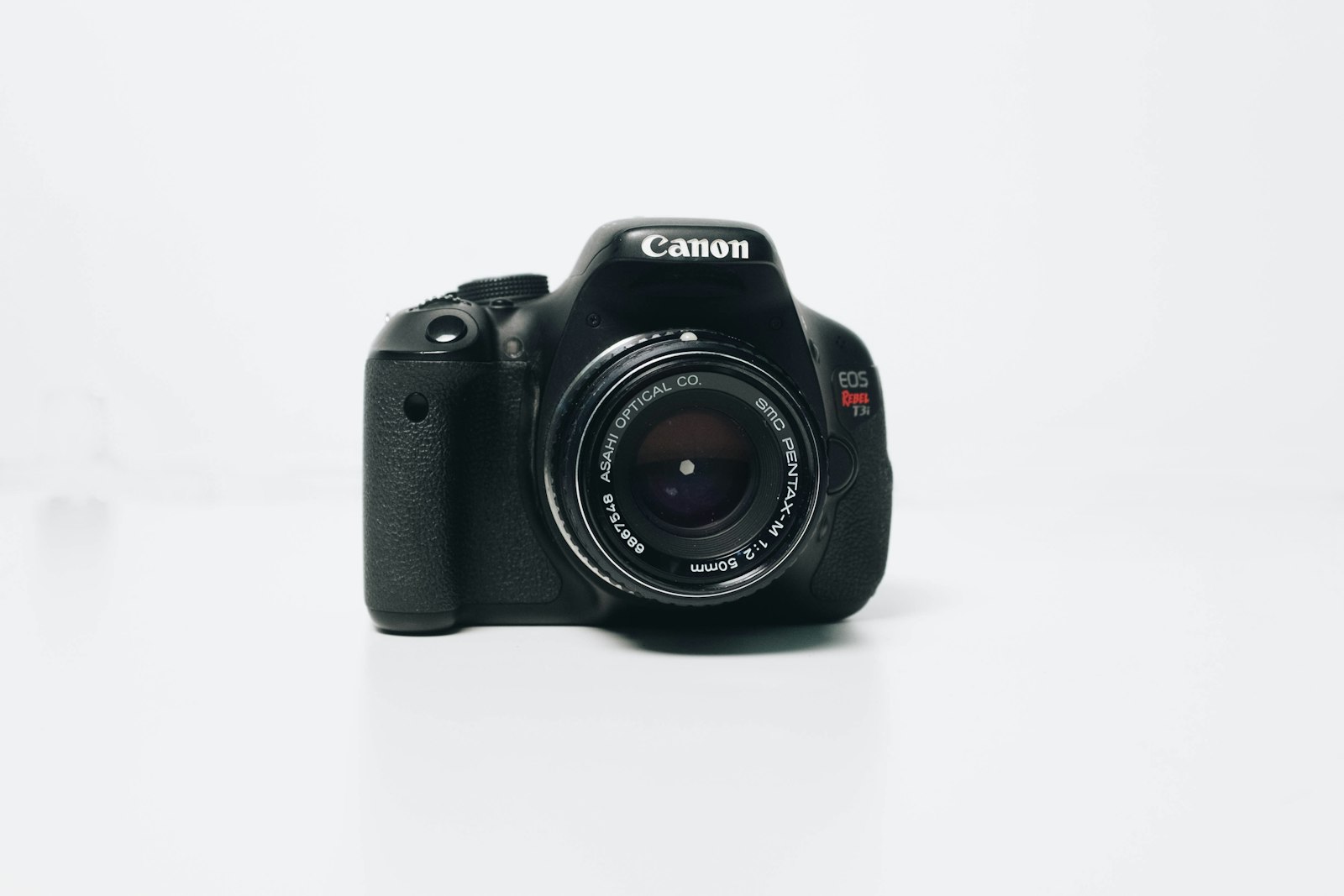
A systematic inspection process protects your inventory, your reputation, and your customers. Here's the complete checklist for inspecting rental lenses before they go out and when they come back.
Lens issues discovered after a rental ruins more than the customer's shoot. It damages trust, costs you a refund, and puts you on the defensive in damage disputes. The solution is simple: consistent inspection before every rental.
This checklist covers everything from fungus detection to autofocus testing. Use it as-is or adapt it to your specific inventory.
The 12-point pre-rental inspection
Run through this checklist before every lens goes out. It takes 3-5 minutes per lens and catches 95% of issues.
Pre-Rental Checklist
Fungus check
Shine a flashlight through the lens at an angle. Look for web-like patterns, cloudy spots, or thread-like growths between elements. Check both front and rear elements.
Scratches and chips
Inspect front and rear elements under direct light. Rotate the lens while looking for hairline scratches, chips on the edges, or cleaning marks.
Coating condition
Look for coating separation (rainbow patterns), peeling, or uneven reflection. Damaged coatings cause flare and reduced contrast.
Internal elements
Hold the lens up to light and look through it. Check for dust (minor is acceptable), haze, oil spots, or delamination between elements.
Aperture blades
Open and close the aperture manually (if possible) or use a camera. Blades should move smoothly without oil spots, bent blades, or hesitation.
Autofocus function
Mount on a test body. AF should be quick, accurate, and quiet. Test at multiple distances. Listen for grinding, clicking, or hunting.
Image stabilization
Turn IS/VR on and listen for the gyros. Should be a quiet hum, not clicking or grinding. Test by looking through viewfinder and tilting the camera.
Electrical contacts
Inspect mount contacts for corrosion, scratches, or debris. Clean with contact cleaner and microfiber if needed. Damaged contacts cause communication errors.
Mount condition
Check for bent or worn mount. Lens should click securely onto test body without wobble. Worn mounts cause play and affect sharpness.
Focus and zoom rings
Rotate through full range. Should be smooth with consistent resistance. No grinding, sticking, or excessive looseness.
Caps and accessories
Confirm front cap, rear cap, and hood are included and fit properly. Missing caps are a leading cause of damage during transport.
Serial number match
Verify serial number matches your records. Document it on the rental agreement. This is critical for insurance claims and theft recovery.
The 8-point return inspection
When gear comes back, you need to catch issues while the customer is still present. This checklist is faster but covers the critical points.
Return Checklist
Visual inspection of elements
Quick check of front and rear elements for new scratches, chips, or debris. Compare to pre-rental photos if available.
Body damage check
Look for new dents, scratches, or scuffs on the barrel. Pay attention to common impact points: filter thread, hood mount, bottom edge.
Mount and contacts
Check mount for new scratches or wear. Inspect contacts for debris or damage from rough handling.
Function test
Quick mount on test body. Confirm AF works, aperture responds, and IS functions. Any issues should be flagged immediately.
Accessories complete
Verify all caps, hood, case, and any included accessories are returned. Charge for missing items before the customer leaves.
Serial number verification
Confirm the serial number matches what was rented. This catches accidental swaps (or intentional ones).
Document condition
Take photos of any new damage or wear. Note it on the return form with customer present. Timestamps matter.
Customer sign-off
Have customer acknowledge the condition assessment. This is your documentation if a dispute arises later.
Documentation best practices
Good documentation protects you in disputes and creates a maintenance history for each lens. Here's what to capture:
| What to Document | When | How |
|---|---|---|
| Front element close-up | Pre-rental | Photo with timestamp |
| Rear element close-up | Pre-rental | Photo with timestamp |
| Serial number | Pre-rental | Photo + written record |
| Any existing wear | Pre-rental | Photo + notes |
| New damage found | Return | Photo + customer sign-off |
| Function test result | Return | Pass/fail + notes |
Timestamps are critical
Photos without timestamps are nearly useless in disputes. Use a camera or app that embeds date/time in metadata, or include a visible date stamp in the frame.
Quick-check vs. deep-check protocol
Not every rental needs the full 12-point inspection. Use this guide to decide how thorough to be:
Quick Check (3 min)
Use for trusted repeat customers, short rentals, lower-value lenses.
- Visual element check
- Mount and contacts
- Quick AF test
- Serial number
Deep Check (8-10 min)
Use for new customers, long rentals, high-value glass, after previous damage.
- Full 12-point checklist
- Photo documentation
- Extended function tests
- Customer sign-off
Frequency-based maintenance schedule
Beyond rental inspections, lenses need periodic professional service. Here's a baseline schedule:
| Lens Type | Usage | Service Interval | Est. Cost |
|---|---|---|---|
| Cinema primes | Heavy | Every 6 months | $150-300 |
| Cinema zooms | Heavy | Every 6 months | $200-400 |
| Photo primes | Moderate | Every 12 months | $75-150 |
| Photo zooms | Moderate | Every 12 months | $100-200 |
| Vintage/manual | Light | Every 18-24 months | $100-250 |
Professional service typically includes cleaning, lubrication, calibration, and minor adjustments. Budget for this as part of your cost of doing business, not an unexpected expense.
Build it into your workflow
The best inspection system is one you actually use. Key takeaways:
- Create a printed checklist for your counter
- Train every staff member on the inspection process
- Document everything with timestamped photos
- Have customers sign off at pickup and return
- Schedule professional service before issues become failures
Five minutes of inspection prevents hours of disputes and thousands in repairs. Make it habit.