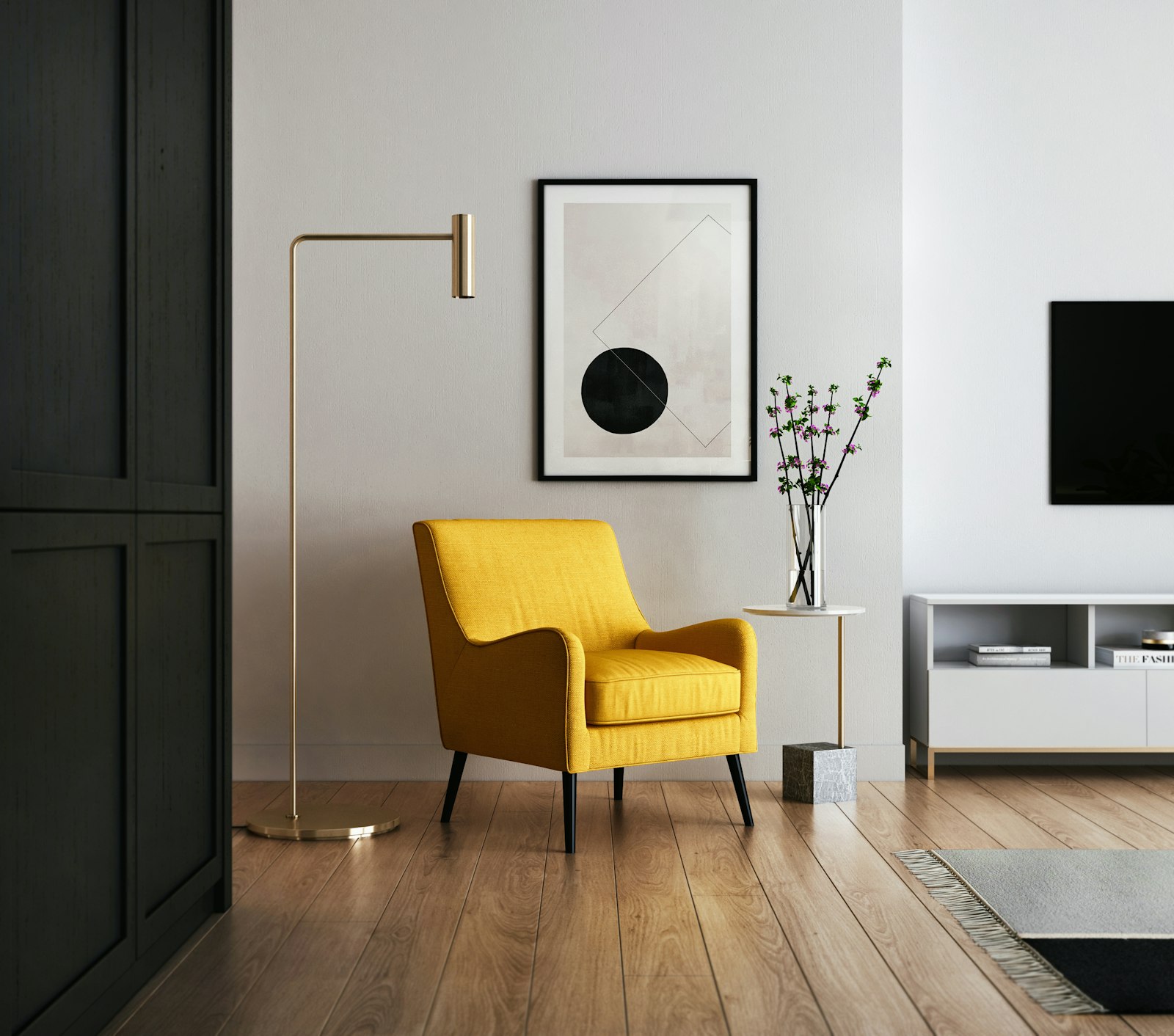
Furniture staging rental operations live and die by logistics. You're moving heavy inventory in and out of homes on tight listing schedules, coordinating with agents and photographers, and keeping pieces in showroom condition through dozens of installs. This guide covers the operational systems that make it work.
Staging serves real estate agents, developers, Airbnb hosts, and photographers who need furnished spaces without permanent investment. The business model is rental-based, but the operations look more like event production—constant delivery windows, setup crews, and the relentless coordination of property access.
Margins are healthy when logistics run smoothly. They evaporate when trucks sit in traffic waiting for lockbox codes, or when a dining set arrives damaged to a listing photoshoot.
Building staging inventory: looks vs. volume
There are two approaches to staging inventory, and most successful operations use a hybrid of both.
Curated "Looks" Approach
Complete room packages styled as cohesive collections. Premium pricing, higher margins per install.
- Modern minimalist
- Transitional/traditional
- Coastal casual
- Luxury contemporary
Volume Approach
Flexible piece-by-piece rental. Lower per-unit pricing, faster turnover, more customization.
- Mix-and-match flexibility
- Faster inventory turns
- Lower upfront investment
- Scales with warehouse space
Start with 3-4 complete looks
New staging companies should build out complete packages first. It's easier to sell a "modern living room package" than to assemble custom quotes for every inquiry. Add volume inventory as you learn what actually rents.
Pricing: US market benchmarks
Staging pricing typically works on monthly rental rates, with delivery and pickup fees on top. Here are typical US market ranges:
| Package Type | Monthly Rate | Delivery/Install |
|---|---|---|
| Single room (living or master) | $400-800 | $150-300 |
| 3-room package | $1,000-1,800 | $300-500 |
| Whole home (5+ rooms) | $2,000-4,000 | $500-1,000 |
| Luxury/custom staging | $3,500-8,000+ | $800-1,500 |
Minimum rental periods are typically 30-60 days. Extensions are common and should be built into your contracts—listings that sell fast don't need full terms, but listings that sit need extensions at pro-rated rates.
Delivery and setup logistics
Logistics are the core of staging operations. A delivery that arrives on time with nothing damaged is invisible. Anything else creates problems that cascade through scheduling.
Delivery Coordination Checklist
Property access confirmation
Lockbox code, gate code, alarm code, parking instructions. Get these 48 hours before install. Verify day-of before the truck leaves.
Delivery window coordination
Coordinate with listing agent, photographer, and any other vendors. Install typically 24-48 hours before photo day.
Floor plan review
If possible, get room dimensions or floor plan before install. Crew should know placement before arrival—no on-site "figuring it out."
Crew assignment
2-3 people for standard installs, 4+ for large homes. Include at least one person with design eye for final styling.
Post-install walkthrough
Photo-document every room before leaving. Note any property conditions (scuffs, damage) to protect against later claims.
Real estate agent relationships
Real estate agents are your primary customers. Building strong relationships with productive agents is more valuable than chasing individual listings.
Agent Partnership Strategies
Preferred vendor programs
Offer 10-15% discount for agents who commit to 3+ stagings per year. Reduces their per-listing cost, guarantees you volume.
Quick-turn capability
Agents remember who saved them when a listing needed staging in 48 hours. Build capacity to handle urgent requests.
Photography coordination
Some staging companies offer photo day coordination or partner with photographers. One call for the agent, multiple vendors handled.
Flexible terms on slow-moving listings
If a listing sits for 90+ days, work with the agent. Extensions, reduced rates, or swapping to refresh the look keeps the relationship strong.
Hot markets vs. slow markets
Housing market cycles directly impact staging demand. Your operational capacity needs to flex with the market.
| Market Condition | Staging Demand | Operational Focus |
|---|---|---|
| Hot seller's market | Lower—homes sell fast without staging | Short rental terms, quick turns, premium pricing |
| Balanced market | Moderate—staging helps competitive positioning | Standard terms, steady volume, relationship building |
| Buyer's market/slow | Higher—sellers need every advantage | Longer terms, more inventory out, tighter margins |
Slow markets tie up inventory longer
In a buyer's market, listings sit longer, which means your furniture sits longer. You may need more inventory or higher utilization rates to maintain revenue. Plan cash reserves accordingly.
Inventory rotation and wear tracking
Staging furniture gets used hard. Constant delivery, install, and removal creates wear that needs systematic tracking.
Rotation and Refresh Schedule
Per-piece usage tracking
Track how many installs each piece has done. Sofas and dining chairs take the most abuse—plan 50-100 installs before major refresh.
Trend cycle awareness
Staging styles shift every 2-3 years. What looked fresh in 2022 reads dated now. Budget for refreshing 20-30% of inventory annually.
Condition grading
Grade inventory A/B/C. A-grade for luxury listings, B-grade for standard, C-grade for budget or liquidate.
Liquidation strategy
When pieces age out, sell through estate sales, consignment, or direct to Airbnb hosts. Recover 20-40% of original cost.
Damage policies: soft goods vs. hard goods
Damage happens. Clear policies in your contracts protect both parties and avoid disputes at pickup.
Soft Goods
Upholstery, bedding, pillows, curtains—fabric items that stain and tear.
- Stains: Cleaning fee or replacement
- Tears/rips: Prorated replacement cost
- Odor/smoke: Professional cleaning or replacement
Hard Goods
Wood furniture, tables, lamps, accessories—items that scratch and chip.
- Minor scratches: Normal wear, no charge
- Chips/dents: Repair or replacement cost
- Structural: Full replacement cost
Buffer time: the hidden requirement
Between pickup from one property and delivery to the next, staging inventory needs attention. Build buffer time into every booking.
Standard Buffer Activities
Cleaning (2-4 hours)
Wipe down all surfaces, vacuum upholstery, clean glass and mirrors. Staging should look showroom-fresh every time.
Inspection (1-2 hours)
Check for damage, update condition notes, flag items needing repair or retirement.
Touch-ups (1-2 hours)
Wood polish, fabric refresh spray, replace minor accessories (throw pillows, decorative items).
Repackaging (1-2 hours)
Wrap for transport, organize by next delivery manifest, stage in warehouse loading zone.
Plan 24-48 hours of buffer between pickup and next delivery. Rushed turnarounds lead to damaged pieces and sloppy installs.
Insurance considerations
Staging operations need specific insurance coverage for equipment that moves in and out of third-party properties.
| Coverage Type | What It Covers | Typical Cost |
|---|---|---|
| Inland marine | Inventory in transit and at staging sites | $2,000-6,000/year |
| General liability | Damage to properties during install/removal | $1,000-3,000/year |
| Commercial auto | Delivery vehicles and cargo in transit | $2,000-5,000/year |
| Workers' comp | Crew injuries during installs | Varies by state/payroll |
Staging operations that scale
Furniture staging is fundamentally a logistics business with a design wrapper. Key takeaways:
- Build complete "looks" before adding volume inventory
- Delivery coordination is the operational core—invest in it
- Agent relationships drive repeat business
- Plan for market cycles—slow markets mean more inventory tied up longer
- Track per-piece usage and condition to stay ahead of wear
- Build buffer time into every turnaround—24-48 hours minimum
- Carry proper insurance for mobile inventory
The staging companies that thrive are the ones that obsess over the time between jobs—pickup, prep, and redelivery. Get that right, and the design side takes care of itself.