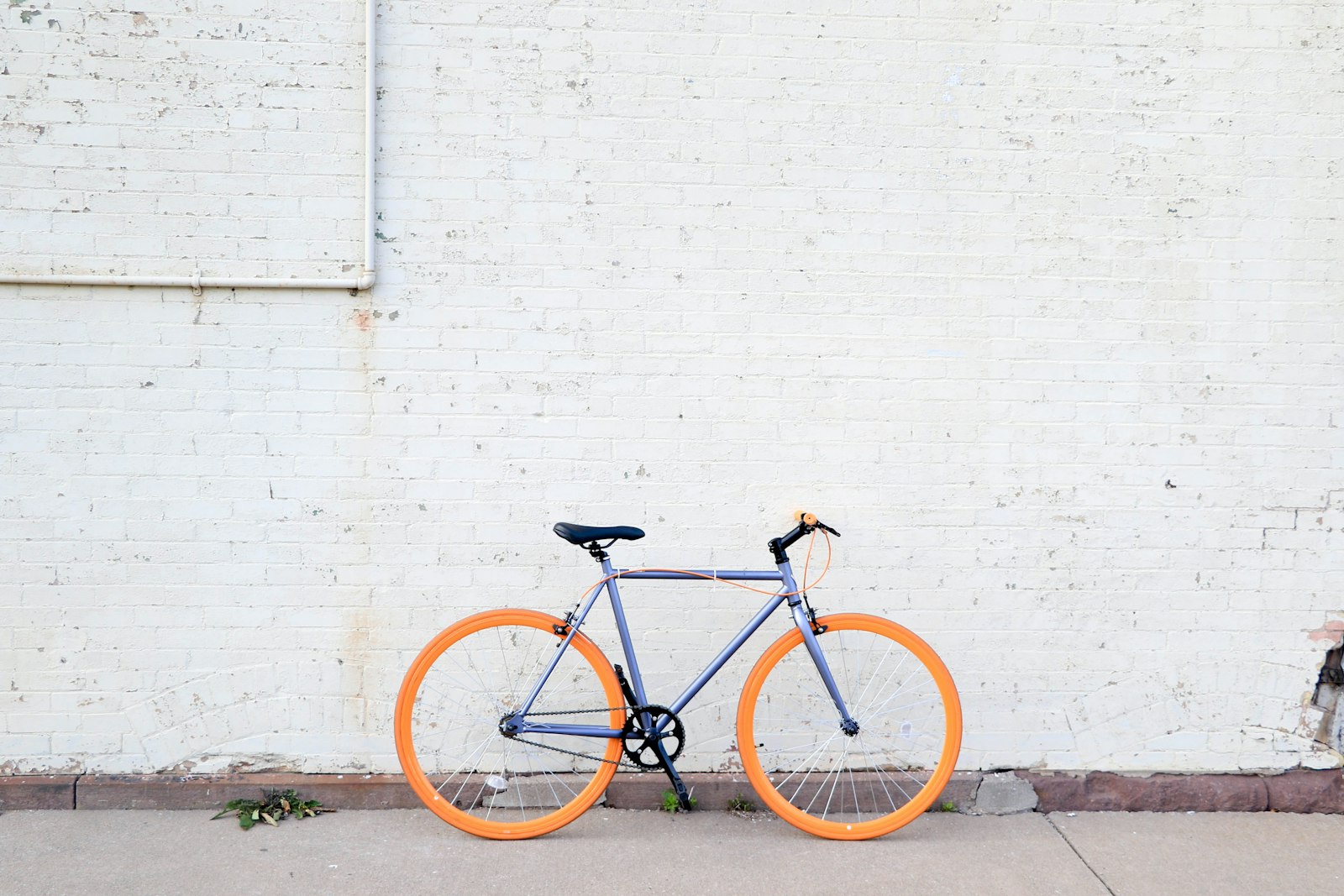
Running a bike rental operation means managing fleet composition, daily safety checks, seasonal demand swings, and the unique challenges of e-bike logistics. This guide covers the operational fundamentals that keep customers riding and your business profitable.
Bike rentals serve tourists, locals avoiding parking hassles, and everyone in between. Whether you're operating in a beach town, mountain resort, or urban center, the core operations are the same: maintain a reliable fleet, turn bikes around quickly, and make every rental safe.
The margins are tight and the seasonality is real. This guide focuses on the operational systems that separate sustainable businesses from ones that close after two summers.
Fleet composition strategy
Your fleet should match your market. A beach boardwalk operation needs different bikes than a mountain resort. Build inventory based on what customers actually rent, not what looks good in a catalog.
| Bike Type | Best For | Typical Daily Rate |
|---|---|---|
| Beach cruisers | Boardwalks, flat terrain, casual riders | $15-25 |
| Hybrid/comfort | Bike paths, light trails, touring | $25-40 |
| Mountain bikes | Trail systems, resort areas | $40-75 |
| Road bikes | Experienced cyclists, training | $50-100 |
| E-bikes (Class 1/2) | Hills, longer distances, older riders | $50-100 |
| Cargo bikes | Families, beach gear, groceries | $60-90 |
| Kids' bikes | Family rentals, bike paths | $10-20 |
Start with your bread-and-butter
Your first 20 bikes should be the type that rents every day in your location. For most markets, that's cruisers or hybrids. Add specialty bikes once you've proven demand.
Sizing strategy: fast fit, happy riders
Rental bikes need to fit a range of riders quickly. Most rental operations use adjustable seatposts and stem configurations to cover multiple size ranges per frame.
Size Range Approach
Stock frames that cover height ranges rather than specific sizes.
- Small: 4'10" - 5'4"
- Medium: 5'4" - 5'10"
- Large: 5'10" - 6'4"
Quick Fit Checklist
30-second fit check before every rental.
- Slight bend in knee at bottom of pedal stroke
- Can touch ground with balls of feet when seated
- Comfortable reach to handlebars
The 8-point pre-rental safety check
Every bike gets checked before every rental. No exceptions. This protects your customers, your liability, and your reputation.
Pre-Rental Safety Check
Tire pressure and condition
Check pressure is within range (printed on sidewall). Inspect for cuts, bulges, or excessive wear. Look for glass or debris in treads.
Brakes
Squeeze both levers. Should engage firmly with at least 1" clearance from handlebar. Pads should contact rim/rotor evenly. No squealing or grinding.
Wheels
Spin each wheel. Should rotate freely without wobble or rubbing. Quick releases or thru-axles should be tight. Check spoke tension by squeezing pairs.
Chain and drivetrain
Chain should be lubricated (not dry, not dripping). Shift through all gears. No skipping, grinding, or chain drop.
Handlebars and stem
Handlebars should be straight and secure. Stem bolt tight. Stand over front wheel and twist bars—no movement.
Seat and seatpost
Seat should be level and secure. Seatpost clamp or quick release should hold seat at any height. Check minimum insertion line isn't exceeded.
Pedals
Pedals should spin freely and be tight to cranks. Check for cracks in plastic pedals. Grip surface intact.
Bell/reflectors/lights
Bell works. Reflectors present and secure. If renting for evening use, lights charged and functional.
Seasonal demand patterns
Bike rentals are seasonal. Understanding your demand curve is critical for staffing, inventory, and cash flow planning.
| Season | Demand Level | Operational Focus |
|---|---|---|
| Peak Summer | 100% capacity | Maximize turnover, full staffing, extended hours |
| Spring Break | 70-80% capacity | Pre-season tune-ups, seasonal staff training |
| Fall/Shoulder | 40-60% capacity | Weekend focus, reduced weekday hours |
| Off-Season | 10-20% capacity | Deep maintenance, fleet replacement, reduced ops |
Holiday weekends are their own season
Memorial Day, July 4th, Labor Day can each generate more revenue than an entire winter month. Staff up, extend hours, and have backup inventory ready.
E-bike classes and regulations
E-bikes are classified by speed and throttle capability. Understanding the classifications matters for trail access, liability, and customer education.
E-Bike Classifications (US)
Class 1: Pedal-assist only
Motor assists only when pedaling. Max assisted speed 20 mph. Allowed on most bike paths and trails. Best for rental operations.
Class 2: Throttle-equipped
Motor can propel bike without pedaling. Max speed 20 mph. Restricted on some trails. Higher liability consideration for rentals.
Class 3: Speed pedelec
Pedal-assist up to 28 mph. Often restricted to roads only. Age restrictions may apply. Generally not recommended for rentals.
Regulations vary by state and locality. Check your local rules for where each class is permitted. Many rental operations stick to Class 1 to maximize where customers can legally ride.
Pricing: US market benchmarks
Pricing varies by location, bike type, and rental duration. Here are typical ranges for US markets in 2025:
| Duration | Standard Bikes | E-Bikes |
|---|---|---|
| Hourly | $8-15 | $15-25 |
| Half-day (4hr) | $20-35 | $40-65 |
| Full day | $25-50 | $60-100 |
| Weekly | $100-200 | $250-400 |
Guided tours: additional revenue
Guided tours offer higher margins than straight rentals and create a premium experience. They also reduce liability by keeping inexperienced riders supervised.
Tour Economics
- 2-3 hour tour: $50-100 per person
- Group size: 6-12 riders per guide
- Guide cost: $20-30/hour
- Margin: 60-70% after labor
Tour Types
- Scenic/sightseeing
- Food/brewery tours
- Sunset/golden hour
- Historical/neighborhood
Damage assessment tiers
Not all damage is equal. Have a clear tier system for assessing return condition and communicating charges to customers.
Damage Tiers
Normal wear
Minor scuffs, dirty bike, flat tire from road debris. No charge—included in normal maintenance.
Minor damage
Bent derailleur hanger, damaged grips/pedals, broken bell. Charge $15-50 for parts/labor.
Moderate damage
Bent wheel, damaged brake system, torn saddle. Charge $50-150 for repair or replacement parts.
Major/frame damage
Cracked frame, major collision damage, theft. Full replacement cost applies. Insurance claim territory.
Keeping the wheels turning
Bike rental is a straightforward business made complicated by seasonality, maintenance, and the sheer volume of transactions during peak periods. Key takeaways:
- Build your fleet around what actually rents in your market
- Never skip the safety check—liability and reputation depend on it
- Plan for seasonality: staff, inventory, and cash reserves
- E-bikes are high margin but require more logistics
- Tours can double your revenue per rider per hour
- Clear damage policies prevent arguments at return time
The rental shops that thrive are the ones that obsess over turnaround—getting bikes back on the floor, ready to ride, as fast as possible. Everything else follows from that.